


Aluminum Profile Machining Center Price: Top 7 Factors
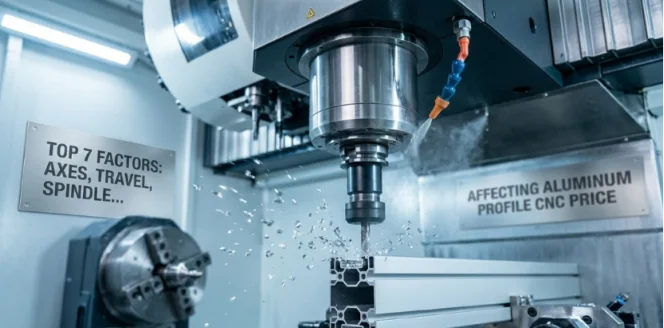
If you have compared aluminum profile machining center price from different suppliers, you have probably seen a big spread. That is not random. One machine may only handle simple top-face drilling, while another can mill, slot, tap, and process several faces in one setup. On MALIDE’s product page alone, the range already covers BT30 and BT40 series, X-axis travel from 2500 mm to 6500 mm, and drilling and milling models with 2, 6, or 12 tool positions. That alone tells you why one quote can never fit every shop.
From an expert view, MALIDE is not presented as a one-machine seller. The company positions itself around aluminum alloy processing equipment as a system, including profile machining centers, gantry machines, horizontal profile machines, and cutting saws. Its site says the business has served more than 5,000 clients since 2017, covers 30 plus countries, and backs equipment with training, remote diagnosis, spare parts, and fast response support. That kind of background matters when you are buying a machine that will sit in your line for years, not for a trade show photo.
Why does Aluminum Profile Machining Center Price Vary So Much?
The short answer is simple. Different factories ask the machine to do very different jobs. Some only need basic slotting and drilling on standard door or window profiles. Others need multi-face machining, long-travel stability, cleaner surface finish, fewer setups, and better batch consistency. That is why profile machining center price can change so much from one configuration to another.
Different Production Jobs Need Different Machine Setups
A generic machine might appear cheaper on paper, but the real test is how it performs on your shop floor. MALIDE’s own technical articles highlight common issues when a machine isn’t properly matched to long profiles: parts overhang the table, operators waste time flipping and re-clamping, chips accumulate, and hole positions drift between faces. If you process long parts daily, that “cheap” quote quickly loses its appeal.
1. How does the Number of Axes Change the Price?
Axis count is one of the first things buyers ask about, and for good reason. A CNC profile machining center with more axes can reach more faces, reduce handling, and cut more complex features. It also costs more because the motion system, control logic, and machine structure are more demanding.
3-Axis, 4-Axis, and 5-Axis Do Not Solve the Same Problem
A 3-axis machine is the low-cost entry. A 4-axis machine is often the sweet spot for curtain wall and standard profile work because the spindle head can rotate and machine three faces in one setup. A 5-axis machine costs more because it adds flexibility for angled holes and end work. MALIDE’s comparison article even notes that 4-axis processing is often about three times faster than a 3-axis process when manual flipping is removed. That is why 3-axis vs. 4-axis vs. 5-axis guide matters before you compare pure machine price.
2. Why does Travel Length Raise the Quote?
Travel length is not just a size number in a catalog. It changes the whole build of the machine. If you need to process long bars, you need longer axes, stronger support, and better control over vibration and reference points. That pushes up aluminum profile machining center cost.
Long Profiles Need Long Travel and Better Stability
On MALIDE’s profile machining center page, the primary range spans from 2500 mm to 6500 mm on the X-axis—a substantial difference in machine scale. Their technical content also emphasizes that processing long profiles magnifies minor errors, and even temperature fluctuations can affect the length of a 6-meter part. Therefore, while the price for a long-travel profile machining center is usually higher, that additional investment often translates to fewer broken references and significantly less rework. You can view that product range here: profile machining center range.
3. How do Spindle Power and Speed Affect Cost?
The spindle decides what kind of work the machine can do all day, not just for five minutes in a demo. A stronger spindle usually means better cutting performance, cleaner milling, and more stable work on thicker or more complex profiles. That pushes aluminum machining center price upward.
Spindle Quality Shows up in Daily Production
For aluminum profiles, the machine has to manage chips, vibration, and thermal behavior over long travel. That is straight from the machining-center article on the site. If your spindle is not stable, you will see it in burrs, noise, surface finish, and tool life. Shops sometimes chase feed settings for weeks when the root issue is simply that the spindle level does not match the job.
4. Why does Tool Magazine Capacity Matter?
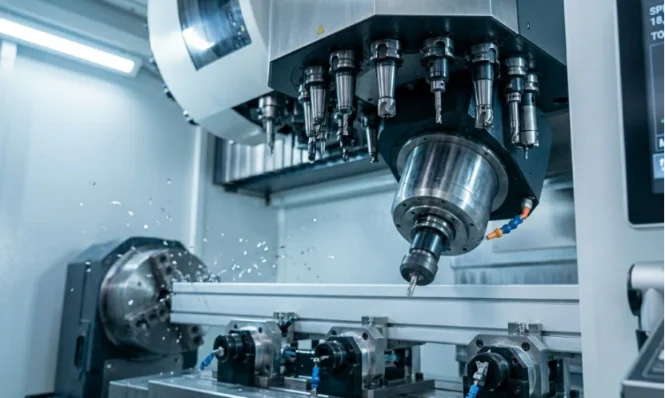
Tool magazine size sounds like a spec-sheet detail, but it changes cycle time and setup flow in real life. A machine with more tool positions can finish more operations in one program, which matters when your profiles need drilling, milling, lock slots, and drainage slots in the same cycle.
More Tools Usually Mean Fewer Stops
MALIDE lists models with 2, 6, and 12 tool positions. That difference is not cosmetic. A smaller setup may suit simple work, while an automatic tool changer profile machining center with a larger magazine makes more sense if you run mixed parts or multi-step programs. Buyers often focus on the quote first, then realize later that every manual tool change is eating labor.
5. How does Automation Change Total Investment?
Automation raises the machine price, but it can lower your cost per finished part. In aluminum profile work, the biggest losses often come from repeated handling, manual locating, and operator-to-operator variation. That is where automation earns its place.
Single-Setup Processing Cuts Labor and Drift
MALIDE’s articles keep coming back to one point: once you move a profile, flip it, and rebuild zero, you invite drift. One clamp, one datum, and one program are worth real money. That is why an aluminum profile CNC machine cost may look higher at first but still make more sense for busy lines. Anyone who has watched a long bar get re-clamped three times already knows where the hidden cost lives.
6. Why do Clamping System and Machine Structure Affect Price?
This aspect often receives less scrutiny than the axes or the spindle, but it is equally vital. Long profiles require uncompromising support. If the machine’s structure is flimsy or the clamping mechanism is imprecise, the machine might still operate, but the quality of your finished parts will inevitably suffer.
Rigid Frames and Stable Fixturing Save More Than Scrap
The site’s content strongly advocates for rigid frames, long-travel axes, and fixturing systems that securely support the profile without causing deformation. Another article details how re-clamping and the loss of reference points lead to length drift after cutting. Therefore, when comparing aluminum profile processing machine prices, never overlook the structure and fixturing. They often represent the crucial difference between consistently stable batches and the need for constant, tedious inspection. A related read on manual saw and drilling mistakes makes this point abundantly clear.
7. How do CNC Control and Software Compatibility Affect the Quote?
The control system does not just run motion. It shapes programming ease, repeatability, and how quickly your team can move from drawing to part. Better software compatibility usually means fewer workarounds on the floor, which is not glamorous, but it saves time.
Better Control Makes the Machine Easier to Live With
A modern CNC machining center for aluminum profiles should support multi-operation work in one setup and keep tolerance steady over long travel. If the software side is clumsy, your machine may still cut parts, but daily use becomes slower than it should be. That is why aluminum profile CNC machine price is never only about iron and motors. It is also about how cleanly the whole process runs.
FAQ
Q1: What is the average aluminum profile machining center price?
A: There is no reliable single number because aluminum profile machining center price depends on axis count, travel length, spindle level, tool magazine size, and automation. A short-travel 3-axis machine will sit in a very different range from a long-travel multi-face machine.
Q2: What affects aluminum profile machining center price the most?
A: The biggest factors are usually axes, travel length, spindle, tooling capacity, automation, fixturing, and the control system. Those seven areas decide both the quote and the machine’s daily output.
Q3: Is a 4-axis machine usually a better buy than a 3-axis machine?
A: For many profile applications, yes. A 4-axis machine often removes manual flipping and keeps several faces in one setup, which improves speed and hole alignment.
Q4: Why is long profile machining center price higher?
A: Because long travel needs a larger structure, better support, and more stable control. Long bars also magnify small errors, so the machine has to do more than just move farther.
Q5: Is the lowest aluminum profile drilling and milling machine price the best choice?
A: Usually not. If the machine creates extra re-clamping, slower setup, or more inspection, the low quote can turn into a high production cost later. That is the part many buyers only notice after the machine arrives.


