



Common Mistakes When Cutting Aluminum With a Chop Saw (And How to Fix Them)
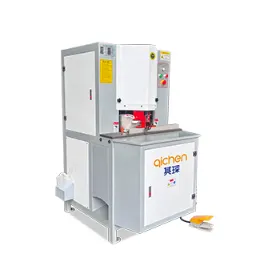
Cutting aluminum seems easy. You set the profile on the saw. You lower the head. And you hope for a smooth, shiny edge. But in actual tasks, it often leads to smoke, bumps, and loud cuts. These chew up blades too quick. Most issues come from a few bad habits. Not from the metal. If you correct those habits, your work gets better soon. And your tools stay good for more time.
Why Small Mistakes Cause Big Problems When Cutting Aluminum?
When you start cutting aluminum with chop saw, it is simple to handle aluminum like wood. The metal is soft. But it acts very different at high speed. Wrong blades cause trouble. Loose pieces add to it. Dry cuts make things worse. Too much push does too. All these lead to heat, sticking, and bumpy edges. Many safety books say aluminum needs a sharp, firm cut. It wants the right tooth shape. And a steady push. Otherwise, the stuff starts to smear. Not chip.
Once you notice how each error appears in the cut side or the machine noise, it gets simpler to fix it on the next task.
Mistake 1: Using the Wrong Blade for Aluminum
The top and largest issue is the blade. If you grab a random best blade for cutting aluminum from a wood saw spot, you often hear loud sounds and a torn edge. Not a tidy chip. Many folks try normal wood framing blades on aluminum. These have a wild hook angle. And tooth form made for soft, stringy stuff. Not for metal. So they grab hard. They shake. And they leave big bumps.
Another bad pick is an abrasive cut-off wheel. Those discs do okay on steel. But soft non-ferrous metals can block the wheel. Heat builds fast. This is messy. And dangerous. A blunt or sticky blade is also a quiet problem. When teeth fill with aluminum or the edge wears off, the saw needs more push to cut. The base gets warmer. And you spot more color change and bumps. Steady cleaning and right-time sharpening keep the blade doing its job.
Mistake 2: Forcing the Cut or Running at the Wrong Speed
Even with a good non-ferrous blade, you can mess up the cut if you push the saw too strong. Many folks press down like they are late. And the motor sound drops as the blade bites. That extra push turns to rub and warmth. The aluminum edge turns dull and gray. Not bright. And you might see bits start to stick to the tooth ends.
Chop saws spin quick too. Often at speeds picked for wood. High turns with a wild push make it easy to overheat a metal blade. Where you can, it helps to pick a saw or setting that sets the speed near what the blade maker says for aluminum. Then let the push rate handle the rest. If your saw has just one speed, your control is mostly in your grip. Steady, middle push instead of drop and wait.
Mistake 3: Not Clamping or Supporting the Workpiece
The workpiece can bring issues if it is not held in a firm, expected way. Short scraps are a usual trap. If you hold a tiny piece by hand and it turns during the cut, the blade can grab. It might break a tooth. Or pull the part to the side. Almost every safety book for metal cutting says you need a clamp on short stuff.
Long aluminum bars bring the other issue. A 6-meter profile that sticks out of the saw without help can droop or rise as you cut. That bend changes how the blade touches the stuff. You might see cuts that are even at one end. But off at the other. Basic roller stands or a home-made help table keep long pieces flat. And cut down stress on the saw.
Mistake 4: Skipping Lubrication and Chip Control
Dry cutting every time might seem tidy. But it often cuts blade life short when you deal with aluminum. The metal likes to stick to warm teeth. Over time, you see shiny chunks of stuck stuff along the cutting side. And the saw starts to yell. A tiny bit of lubrication for cutting aluminum helps. Like a wax bar or light spray liquid. It makes bits slide away. And keeps the blade cooler.
Bit build-up around the saw is another slow issue. Packed bits under the profile or near the cover change how the stuff sits. And can scratch the top. Steady stops to brush away bits or use a sucker keep the cut spot clear. This makes your setup safer. And more the same each time.
Mistake 5: Expecting a DIY Chop Saw to Do Production-Level Aluminum Work
A normal chop saw is okay for rare tasks and spot work. Trouble begins when you ask that same tool to deal with full-time making of window frames or curtain wall bars. Day after day of heavy cuts wears the slides. It hits the bearings. And the motor. In ways that drop accuracy. Angles shift. Lengths change. And workers have to battle the machine to keep close fits.
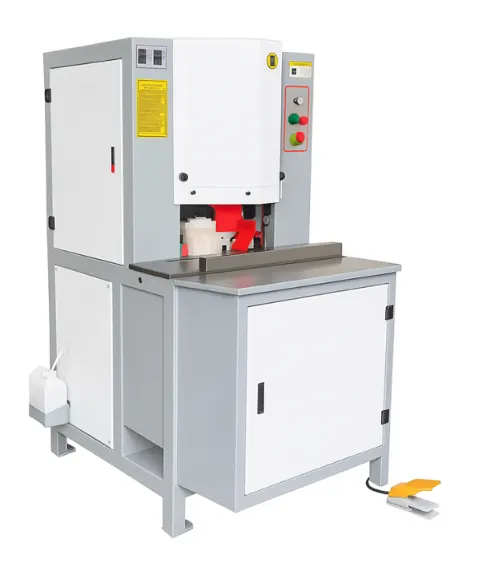
At that spot, it is smart to look past a simple chop saw aluminum blade. And think about a dedicated aluminum profile cutting saw. These machines are made as aluminum cutting systems. With strong holding, guided push, and cooling choices. So they can keep even, tidy cuts over long sets. Instead of just on the first few pieces.
Simple Checklist for Cleaner, Safer Aluminum Cuts
Before you begin the next group, a short list helps. The right non-ferrous blade. Sharp and tidy teeth. Steady push. Proper holding and help for both short and long stuff. Plus basic slick and bit control. These small steps handle most of the usual errors. And save both blades and stuff in the long run.
A Closer Look at MALIDE (Foshan Malide Intelligent Equipment Co., Ltd.)
MALIDE is a national high-tech enterprise based in Foshan that focuses on intelligent aluminum alloy processing equipment. The company designs and builds aluminum profile fabrication systems, including profile machining centers, gantry machining centers, horizontal profile machining centers and profile cutting saws for doors, windows and curtain wall projects.
Since 2017, MALIDE has worked in research, production, sales and service for this type of CNC machinery, with a production area of around 6,000 square meters and a technical team of more than 50 people. Its engineering team pays close attention to rigid machine structures, clean chip paths and easy operation, so shops that move from basic saws to MALIDE equipment gain more stable cutting accuracy and faster, more reliable aluminum profile throughput in daily work.
FAQ
Q1: Why does my chop saw leave heavy burrs on aluminum?
A: Burrs often come from the wrong blade, a dull edge, or pushing too hard. A non-ferrous carbide blade, a steady feed, and light lubrication usually give a much cleaner edge.
Q2: Can you use a wood blade on aluminum in an emergency?
A: It might cut a few pieces, but it is not a safe or long-term choice. Wood blades tend to grab, gum up, and dull quickly on aluminum, so they are better kept for timber only.
Q3: Do you really need to clamp aluminum on a chop saw?
A: Yes, especially for short pieces. Clamping stops twisting and lifting, which reduces the chance of kickback and helps the blade track straight through the cut.
Q4: How do you stop aluminum from sticking to the blade?
A: Use a proper non-ferrous blade, avoid forcing the cut, and add a bit of wax or cutting fluid. Keeping chips cleared from the teeth also helps reduce sticking.
Q5: When is it time to move to an aluminum profile cutting machine?
A: If you cut aluminum profiles every day, need tight length and angle tolerances, or are tired of fighting with a basic saw, it is usually time to look at a dedicated aluminum cutting machine such as a CNC profile cutting saw.


