


Maximize Throughput with Automated Profile Machining Lines
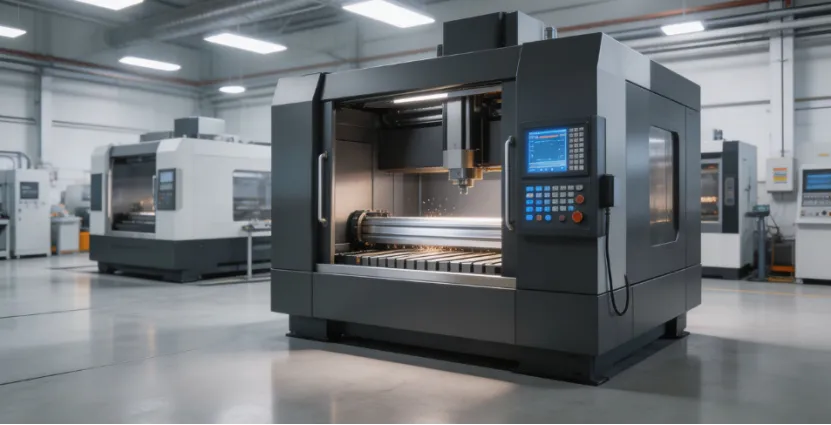
The transition to automated profile machining is no longer optional for high-volume fabricators facing labor shortages. Investing in a modern PVC window making machine can dramatically lower your labor dependency and increase daily output. Let’s be real, finding good operators is tough right now. That makes reliable machinery more critical than ever.
Take MALIDE as an example of what to look for when upgrading your floor. Deeply engaged in the field of aluminum alloy processing equipment since its establishment in 2017, the company offers a blueprint for modern manufacturing. They have successfully cooperated with over 5000 customers, establishing a good reputation in the industry.
At present, the company’s products have been exported to Europe, America, Russia, Türkiye, Israel, Malaysia, Thailand, Vietnam and more than a dozen other countries and regions. Providing professional and high-quality aluminum alloy production and processing solutions for customers has become the standard for surviving in this competitive market.
The Bottlenecks of Traditional PVC and Aluminum Fabrication
Old workshop habits are hard to break. Walk into many facilities, and you will see operators measuring materials by hand and manually entering dimensions. This old school approach kills your profit margins slowly.
Labor Dependency
A heavy reliance on manual labor means your production speed hinges entirely on human energy and skill levels. When your best operator takes a day off, your daily output plummets and delivery schedules fall apart.
Multiple Setups
Many factories struggle because their legacy aluminum profile processing equipment requires constant manual adjustments and multiple setups. Moving heavy materials from a cutting saw to a drill press damages the surface and wastes valuable floor time.
Data Disconnect
Paper blueprints get lost or misread easily. If the office software does not talk directly to the shop floor machines, expensive cutting mistakes will happen on a regular basis.
Key Automation Features Transforming the Shop Floor
Modern manufacturing runs on data rather than just electricity. Shifting from manual tools to smart machinery changes how the entire factory operates on a daily basis. Sometimes the simplest software upgrade yields the biggest jump in productivity.
Intelligent Auto-Length Measurement and Barcode Scanning
A quick barcode scan eliminates human input errors completely. The operator scans the job ticket, and the system automatically pulls up the correct cutting and routing program without manual typing.
Automated Nesting and Layout
Throwing away expensive raw material hurts the bottom line. Smart software groups jobs together to get the most parts out of a single bar. This dramatically drops your scrap rates and saves money.
Industry 4.0 Readiness
Upgrading to an industry 4.0 automated production line minimizes data entry errors and streamlines the entire workflow. Your machines need to fit into a larger digital ecosystem to stay truly competitive.
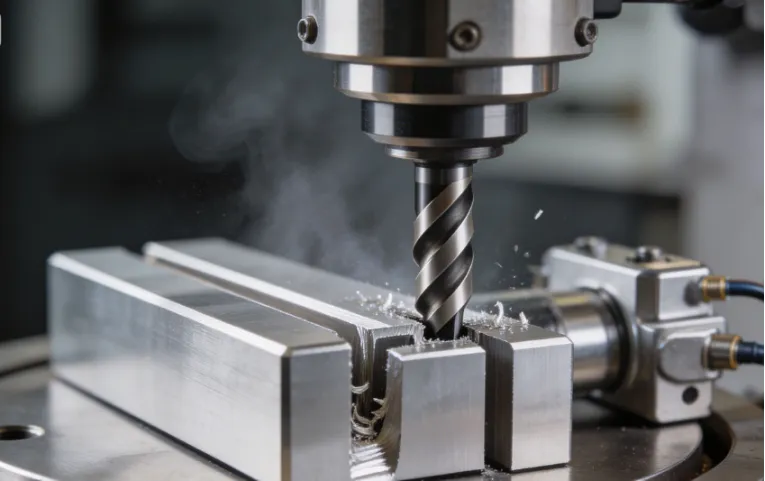
“Done-in-One”: The Power of Multi-Face CNC Machining
The real game changer in fabrication is keeping the material bolted down in one place. Moving long parts between different stations invites scratching and throws off precision.
Eliminating Secondary Operations
The true advantage of multi-face CNC machining lies in its ability to eliminate secondary setups and handling damage. You clamp the raw material once, and the machine handles the rest of the complicated work.
Multi-Sided Processing
A heavy-duty profile machining center makes a huge difference here. For instance, the workbench is capable of 90° /0° /-90° three sided servo flipping processing. You can hit the top, front, and back without unclamping the part.
Integrated Capabilities
This equipment is a CNC gantry composite machining center that integrates drilling, tapping, and milling. Better yet, it is highly versatile. It is suitable for materials such as aluminum alloy, steel, iron, copper, and PVC.
Tool Management
An automatic tool changer with a high-capacity magazine will significantly reduce tool replacement time during complex operations. Machines equipped with a multi slot capacity tool magazine, reducing tool replacement time and improving overall machining efficiency, keep the spindle turning and making money.
Bridging the Gap: ERP and MES System Integration
Hardware alone cannot fix every production headache. Tying your machines directly to your office software closes the communication loop between the front office and the guys in the shop.
Seamless Data Flow
Integrating shop floor data software maximizes the ROI of your automated profile machining investments. When an order drops into the ERP system, the machine code generates automatically.
Real-Time Tracking
You can sit at your desk and see exactly how many parts came off the line in the last hour. This transparency highlights bottlenecks quickly before they derail a major shipment.
Production Scalability
Handling a mix of custom one-off jobs and massive batch orders becomes simple when the software does the heavy lifting for your scheduling team.
Conclusion: Calculating the ROI of Automated Profile Machining
Look at your scrap bins and your overtime payroll. The math usually points directly toward automation. Upgrading your shop floor speeds up delivery times, cuts down on wasted material, and makes life much easier for your workers. It is about building a factory that runs smoothly whether you are looking over it or not.
FAQ
Q1: What are the primary benefits of automating profile fabrication?
A: Automation speeds up production, drops labor costs, and dramatically cuts down on material waste through smart nesting.
Q2: Can one machine handle both metal and plastic materials?
A: Yes. High-quality CNC centers are suitable for materials such as aluminum alloy, steel, iron, copper, and PVC.
Q3: How does a multi-slot tool magazine help production?
A: It allows the machine to switch tools automatically without operator help. Being equipped with a multi slot capacity tool magazine, reducing tool replacement time and improving overall machining efficiency, is a major time saver.
Q4: Will new automated equipment connect to my current factory software?
A: Most modern machinery fits perfectly into an industry 4.0 automated production line, letting your ERP system send cutting data directly to the floor.
Q5: Does a rotating workbench really make a difference?
A: Absolutely. A workbench is capable of 90° /0° /-90° three sided servo flipping processing, which means the machine works on multiple sides without needing a person to flip the heavy part manually.


