


-
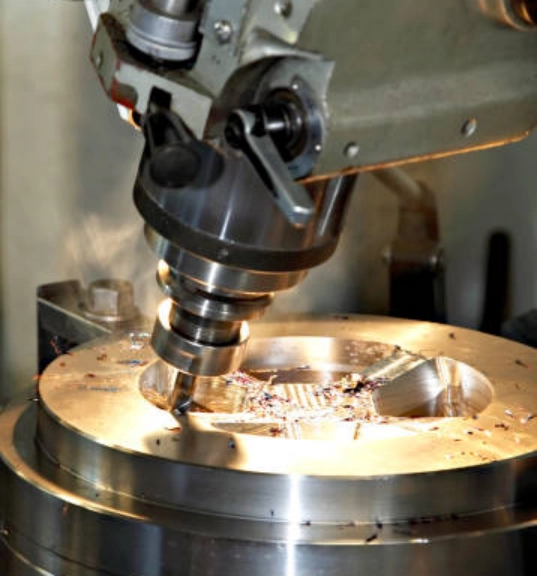 06 FebBy AdminHow Aluminum Profile Processing Gains Speed with Gantry Center IntegrationAluminum profile processing often feels like a tough balance. Precision sits on one end, while speed pulls at the other. Manufacturers in fields such as construction, transportation, or electronics face big problems from small errors or holdups. These can lead to higher costs and poorer quality. The bright side is this: adding gantry centers to aluminum profile workflows turns that struggle into a real edge. These devices go beyond merging tasks. They reshape how production lines run. This setup brings quicker cycles and stricter standards for tricky shapes. If you want a smart partner in this area, check out…
 -
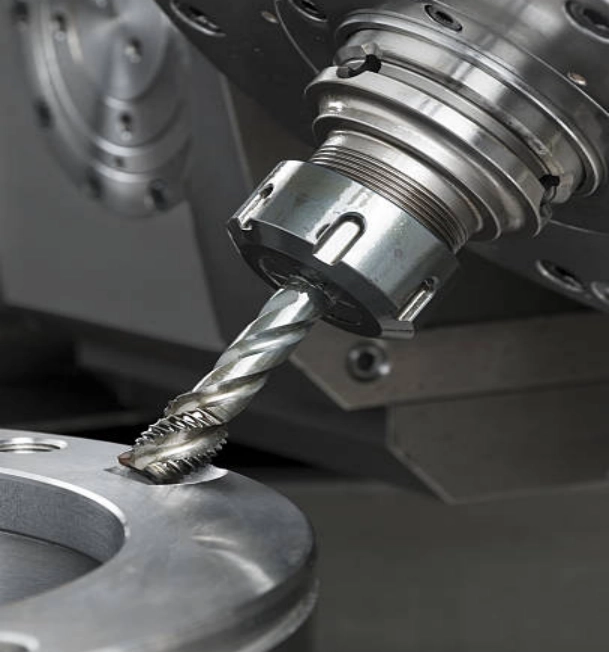 06 FebBy AdminExploring Vertical CNC Drilling and Milling Machines in Aerospace ManufacturingAccuracy, reliability, and flexibility—these key traits shape today's aerospace production. Many tools help this field, but vertical CNC drilling and milling machines stand out as vital ones. They handle tricky shapes well. They achieve tiny tolerances at the micron level. Plus, they work with various materials. This makes them key for building plane parts. Think of forming tough titanium engine covers or cutting aluminum wing beams. These machines don't just aid aerospace. They boost it to new heights. If your company works in this area, and you need strong, dependable gear for processing high-grade aluminum in aerospace, check out…
 -
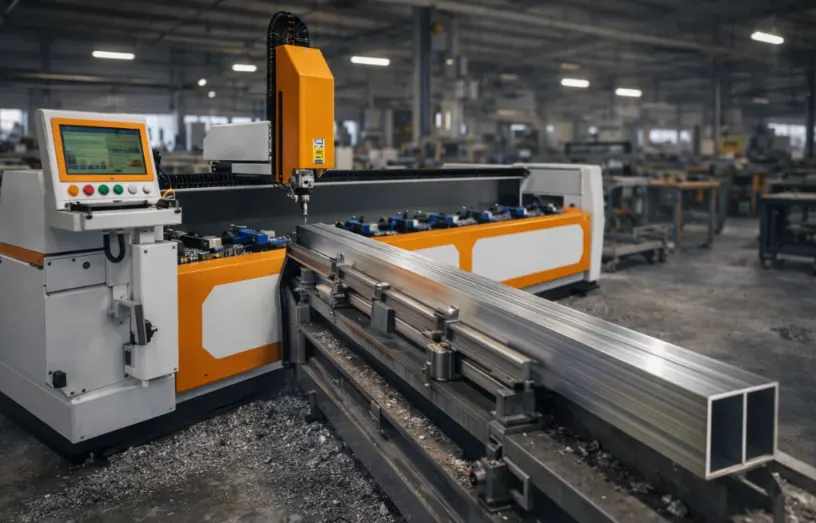 30 JanBy Admin3-Axis vs. 4-Axis vs. 5-Axis: Which CNC Machine is Best for Aluminum Curtain Walls?Buying a CNC machine for curtain wall profiles is one of the biggest checks a facade factory will write. It is a stressful decision. If you buy a machine that is too simple (3-axis), you waste money paying workers to flip bars all day. If you buy one that is too complex (5-axis), you waste cash on fancy features you might never turn on. Curtain wall profiles are unique. They are long. They are hollow. And you usually need to drill holes on the top, the front, the back, and sometimes the ends. This guide cuts through the technical jargon.…
 -
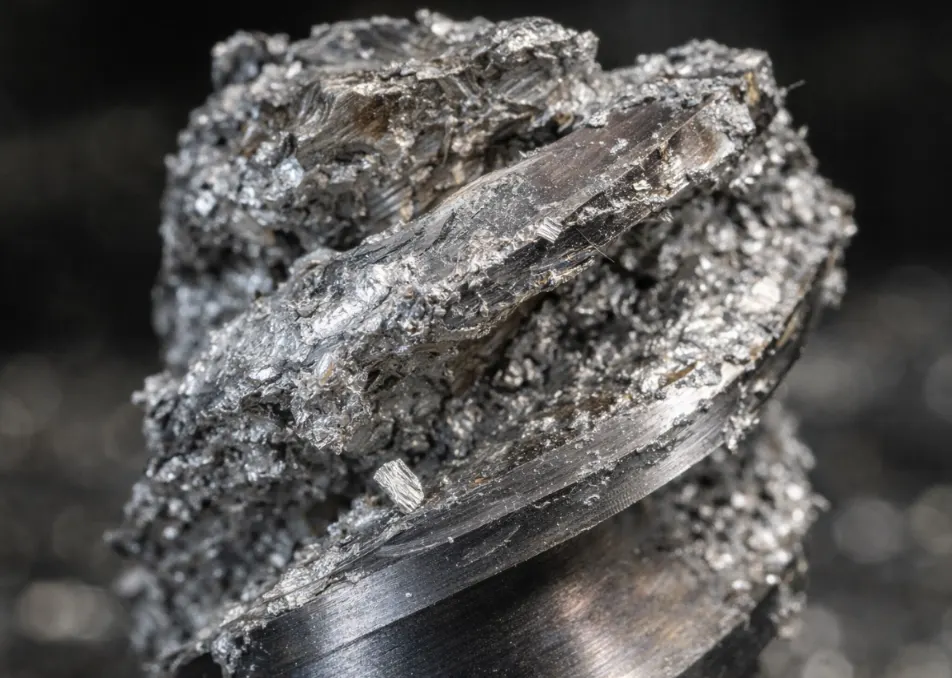 30 JanBy AdminSolving the "Sticky" Aluminum Problem: How to Prevent Chip Buildup and Burrs in High-Speed MillingImagine you start cutting a batch of aluminum profiles. At first, everything sounds good. The cuts are crisp. But then, the sound changes. It starts to hum. Then, it screeches. You stop the machine to check the tool. It looks like someone dipped it in melted silver. The cutting grooves are totally blocked with welded metal. Plus, the edge of your part looks rough and messy. We call this the "Sticky Aluminum" problem. Steel breaks into nice, clean chips. Aluminum is different. Especially soft types like 6063, which we use a lot for windows. It wants to melt. It wants…
 -
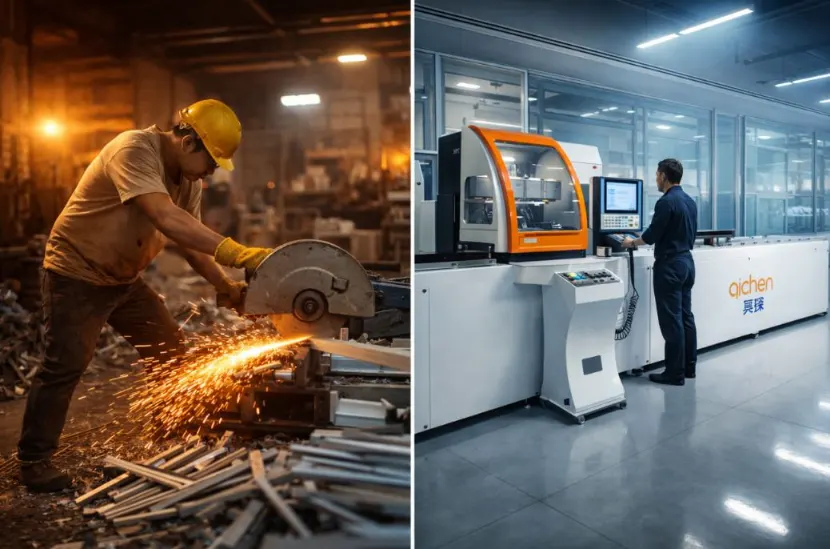 23 JanBy AdminManual vs. CNC Aluminum Fabrication Cost Analysis for Window FactoriesYou are staring at the monthly production report. The orders are there, and the demand for high-quality aluminum windows is growing, but your profit margins remain thin. It’s a common frustration for factory owners. You walk onto the shop floor and see skilled workers measuring profiles, adjusting saw angles by hand, and double-checking drill points. It looks busy, but is it profitable? The debate between manual methods and automation isn't just about "new technology." It is a math problem. Sticking to manual processing feels safe because the initial equipment cost is low. However, when you calculate the hidden costs of…
 -
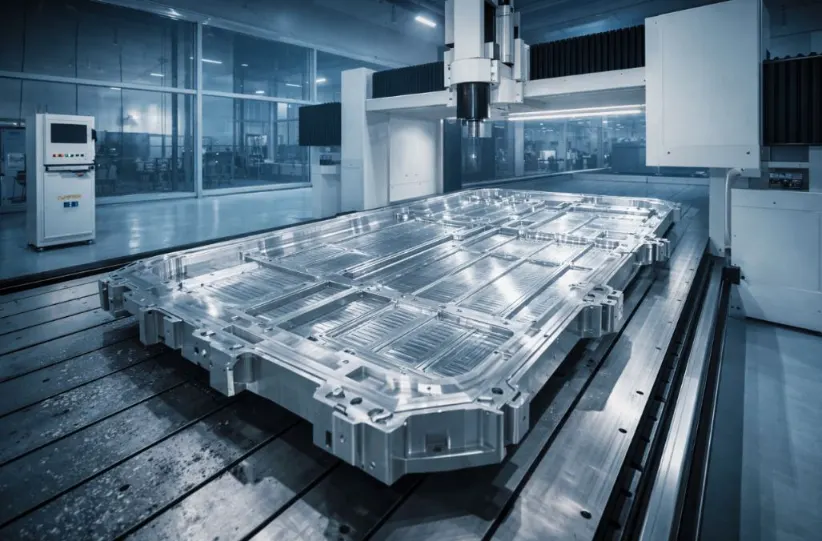 23 JanBy AdminMachining Large EV Battery Trays How to Control DistortionYou open the technical drawing for a new EV project. It is not a small suspension bracket anymore; it is a 2.5-meter long battery tray. The walls are thin (often under 3mm), the floor is full of pockets, and the flatness tolerance is unforgiving. Then you look at the material: aluminum 6000 series. The biggest challenge in this scenario isn't just cutting the metal; it is keeping it straight. Aluminum has a memory. As soon as you remove material for lightweighting, the internal stresses release, and the part wants to twist, bow, or curl like a potato chip. For automotive…


