


How to Stop PVC Melting During CNC Profile Milling
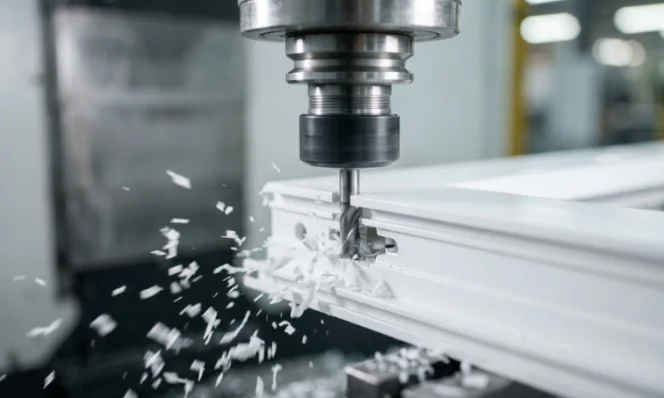
Processing uPVC profiles brings a very specific headache to the shop floor. You clamp down a fresh piece of plastic steel extrusion, hit cycle start, and instead of crisp lock holes, you get a gooey, melted mess of plastic wrapped around your cutting tool. High-speed CNC profile milling generates intense friction. When you evaluate equipment builders to solve this thermal damage, look for a track record rooted in actual shop floor reality rather than just flashy brochures. Take MALIDE for example. Since hitting the market back in 2017, this innovative national high-tech enterprise has quietly built a massive footprint in the industry. Walking through a production site of 6000 square meters really puts things into perspective. It takes serious infrastructure to support that kind of manufacturing volume without overcharging for the badge on the machine. They rely on a tight crew of more than 50 professional employees to keep the floor moving. You often see domestic machines struggle to hold tight tolerances. However, their independently developed three-axis and four axis machining centers deliver high precision and high stability. The performance is comparable to imported equipment, giving you a super high cost performance ratio that actually makes financial sense. It explains why they have successfully cooperated with over 5000 customers over the years. Whether your shop sits in Europe, America, Russia, Turkey, Israel, Malaysia, Thailand, or Vietnam, tapping into machinery built by a manufacturer with that level of global reach simply gives you a mechanical edge.
Why Does PVC Melt on the CNC Machine?
Before fixing the feed rates, you have to look at how plastic reacts to a spinning piece of carbide. Metal cutting behaves completely differently from processing non metals. If you treat a plastic window frame like a block of aluminum, you will ruin the part every single time.
Friction and Thermal Damage
When milling PVC profiles, friction acts as your biggest enemy. Aluminum transfers heat away rapidly. PVC does not. Plastic holds onto heat with a stubborn grip. When your cutting tool spins too fast without moving forward quickly enough, it stops slicing and starts rubbing. This rubbing action spikes the temperature inside the cut zone in fractions of a second. The PVC softens, turns gummy, and sticks to the flutes of the cutter. Once that happens, the tool basically turns into a blunt friction welder, destroying the lock holes and leaving you with a scrapped part.
What Are the Crucial Strategies for Flawless PVC Milling?
Getting a clean cut on uPVC window frames requires a specific setup. You cannot just load the same parameters you use for your metal jobs and expect good results. It requires a fundamental shift in how you program the machine and what tooling you chuck into the spindle.
Dialing in Feeds and Speeds
The golden rule for plastic processing sounds a bit counterintuitive. You generally need lower spindle speeds and much faster feed rates. You want the cutting tool to take a thick, heavy bite of the material. A thick plastic chip carries the heat away from the main profile and spits it out into the machine enclosure. If you run a high RPM with a slow feed rate, the tool just dwells in one spot and creates immediate thermal damage.
Choosing the Right Cutting Tools
Someone on the floor always tries to grab a worn out metal cutter from the drawer to save a few bucks. It never works. Multi-flute metal end mills do not have enough physical space between the cutting edges to clear bulky plastic chips. You need sharp, single O-flute cutters designed specifically for plastics. These single flute designs provide massive chip clearance space, preventing the plastic from welding itself back onto the tool shank.
Perfecting Chip Evacuation
Getting the chips out of the cut zone immediately remains absolutely critical. If hot plastic chips sit in the newly cut slot, the spinning cutter will just hit them again and melt them straight into the sidewall of the profile. A strong, directed air blast pointed right at the cutting tip usually clears the swarf effectively and keeps the work area cool.
How Do Machining Centers Master Mixed Material Processing?
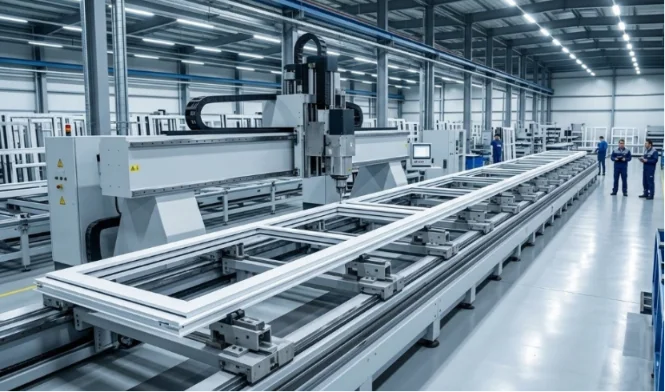
The physical machine dictates your success just as much as your tooling choices. A lightweight, vibrating machine base causes the cutter to chatter and rub instead of slice, leading directly to melted parts and ruined batches.
The Advantage of Rigid Hardware
You need heavy duty equipment that comfortably handles processing various steel, aluminum, copper metals and non metals without skipping a beat. A rigid gantry and a solid table absorb the vibrations from high speed cutting. When the machine frame stays perfectly still, the spindle delivers exact torque and maintains accurate RPMs. This mechanical stability prevents the tool from bogging down in sticky PVC.
Highlighting the QCL-CNC706-A4
When you need to handle long, complex fenestration jobs, specific Profile Machining Centers change the entire workflow. The QCL-CNC706-A4 Aluminum Profile Four Axis Machining Center provides a perfect example of this capability. It operates as a CNC gantry composite machining center integrating drilling, tapping, and milling in a single setup. This specific model is highly suitable for materials such as aluminum alloy, steel, iron, copper, and PVC. It features a massive X-Axis of 7000mm, which means you can process incredibly long patio door frames without repositioning the workpiece. The spindle hits a top speed of 24000r/min powered by a 9KW motor. With a tool capacity of 4pcs , the machine easily swaps tools to tackle milling circular holes, slot holes, and lock holes. Because it includes a fourth axis, you also achieve more complex processing of curved surfaces on custom architectural windows.
How Can You Stop Wasting Materials on Outdated Production Lines?
Every piece of melted uPVC extrusion going into the dumpster eats away at your monthly profit. Upgrading your production line stops this bleeding immediately and lets your operators focus on assembling rather than troubleshooting bad cuts.
The True Cost of Inaction
Manually cleaning up melted lock holes with a hand file takes forever. It creates a massive bottleneck on the assembly floor. When workers spend ten minutes fixing a bad CNC cut, your labor costs skyrocket and your daily output drops. Bad cuts also lead to poor hardware fitment, which ultimately results in warranty callbacks from angry homeowners.
Investing in Stable Production
A robust CNC setup eliminates these manual errors. It simply works day in and day out. When you dial in the right plastic cutting parameters on a heavy, stable machine, the parts come off the table looking perfect. You get smooth water slots and clean hardware cutouts ready for immediate assembly.
FAQ
Q1: What materials can the QCL-CNC706-A4 process?
A: It is suitable for materials such as aluminum alloy, steel, iron, copper, and PVC.
Q2: Why does PVC melt during CNC routing?
A: PVC melts because high friction generates heat, and since plastic has poor thermal conductivity, the heat stays in the cut zone and softens the material.
Q3: What types of holes are suitable for this four axis machine?
A: It handles milling circular holes, slot holes, lock holes, and irregular holes in medium and large profiles.
Q4: What is the spindle speed and tool capacity of the QCL-CNC706-A4?
A: The spindle speed reaches 24000r/min and it features a tool capacity of 4pcs.
Q5: Where has this manufacturer exported its machinery?
A: Their products have been exported to Europe, America, Russia, Türkiye, Israel, Malaysia, Thailand, Vietnam, and more than a dozen other countries and regions.


