



How Aluminum Profile Processing Gains Speed with Gantry Center Integration
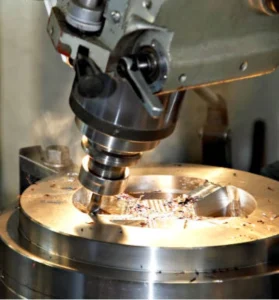
Aluminum profile processing often feels like a tough balance. Precision sits on one end, while speed pulls at the other. Manufacturers in fields such as construction, transportation, or electronics face big problems from small errors or holdups. These can lead to higher costs and poorer quality. The bright side is this: adding gantry centers to aluminum profile workflows turns that struggle into a real edge. These devices go beyond merging tasks. They reshape how production lines run. This setup brings quicker cycles and stricter standards for tricky shapes.
If you want a smart partner in this area, check out Foshan Malide Intelligent Equipment Co., Ltd. This firm is a reliable maker of smart aluminum alloy gear. Founded in 2017, Malide has built a strong footprint in more than 30 nations. Over 5,000 customers rely on its precise, efficient, and dependable tools. Whether you ramp up for on-time car making or craft detailed curtain wall setups, Malide provides the equipment plus ongoing help. They offer this through worldwide service teams and clever check-up systems.
Why Gantry Centers Are a Game Changer in Aluminum Profile Processing
Old-school setups suited easier days. They handled low volumes and basic shapes well. But now, aluminum profiles stretch longer, get slimmer, and turn more detailed. Gantry centers step in here. They move quicker, yet they think sharper too.
Limitations of Traditional Processing Systems
In classic lines, jobs like drilling, milling, and cutting each needed its own spot. Profiles had to shift often. Workers checked alignments by hand. Time slipped away between steps. Each handoff by people added risks. This could cause mismatches, scratches on surfaces, or even tossed-out pieces.
Here’s the real issue: moving a profile resets your starting point. Even top operators might let small slips happen. Throw in switches between batches, and delays stack up fast.
How Gantry Integration Accelerates the Workflow
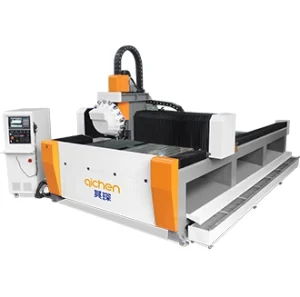
Gantry centers fix that step-by-step jam. They blend drilling, tapping, and milling into one unit. For example, the QCL-CNC706-A4 works with three-axis or four-axis setups. It suits curtain wall profiles that need round holes, lock openings, or detailed milling.
These systems use settable clamps and motor-driven paths. So, you handle several tasks in one go. Forget hand-moving pieces. Skip the trial and error. You get steady results from beginning to end.
Key Gains in Speed Without Sacrificing Accuracy
Quick work matters little if parts miss size limits. They end up useless. Modern gantry centers pack fast-spinning heads, up to 24,000 RPM. They also have smart holds that grip firm without denting fragile thin walls.
Take the BT30 Series Gantry. It includes an auto tool swapper for 16 items. Its head runs at 12,000 RPM. This lets it shift from rough cuts to smooth finishes without pauses. In the end, you boost output while holding to tiny measurement rules.
Core Technical Features That Drive Performance
You don’t have to be a tech whiz to see the build quality. But if you know engineering, the choices in structure show real strength.
Structural Design: Gantry vs. Moving Column
For long pieces, like six meters plus, firm setup is key. Gantry styles win out. The item stays put as the tool travels over it on a bridge frame. This cuts shakes and bends in fast work.
Moving-column types slide the whole tool group along a track. That can add some give. Gantry ones give smoother edges and neater slices. They work best on slim walls or empty insides.
Spindle Capabilities and Tool Management
Tool options count a lot for different aluminum shapes and uses. The spin part must slice through soft spots and tough ones without a hitch.
Look at the BT30 Series Gantry. It has a 7.5kW spin motor and a 16-spot auto changer. This means flipping from drills to mills on its own. Liquid cooling keeps heat steady. All told, it’s a full package that matches busy lines.
Multi-Axis Flexibility in Profile Machining
Extra-axis setups aren’t just numbers on paper. They save hours each day. The QCL-CNC706-A4’s fourth axis turns the head. This allows slanted slices and side holes in one place.
You skip re-fixing items for hard-to-reach spots. It shortens each job. Plus, it eases strain on holders and tools. Operations stay even and nonstop.
Automation Benefits Beyond Just Speed
True shifts come from not only quicker cuts, but wiser ones. Automation cuts errors, eases worker needs, and ensures steady runs day and night.
Boosting Productivity Across Shifts
After setup, gantry centers need little watching. Main software lines up tasks by stock or due dates. It even handles overnight runs.
This helps shops with varied items or peak seasons. Machines don’t get worn out. They keep at it, as long as you check upkeep ahead.
Reducing Human Error in Repetitive Tasks
Skilled folks still slip on repeated moves or swaps. Gantry units nix that by auto-handling changes and alignments with motors and feelers.
Some types spot oddities. They halt if a piece bends a bit or hits extra push during a hole job.
Lowering Labor Costs While Increasing Output Quality
No more crews hovering per machine. One skilled person can watch several gantries at once. This fits growth without big staff hikes.
Even better, fewer touches mean less change between lots. That’s vital for clients wanting exact fits in building frames or car bases.
Application Scenarios Where Gantry Centers Excel
These tools shine in their wide uses. From pretty panels to strong supports, a gantry fits the bill.
Architectural Systems: Windows, Doors, Facades
Curtain wall or simple window bars need work on many sides. Slots here, locks there. Gantries manage all with motor-turned tables. No more jig swaps or hand flips.
Foshan Malide’s profile centers see heavy use in door, window, and glass wall making. Their steady precision handles repeat jobs well.
Automotive Components and Lightweight Structures
Light weight rules car builds. Crash bars or battery holders call for spot-on sizes in big runs. Only CNC gantries deliver that reliably.
Tool switches mid-job suit on-demand setups. Speed counts, but quick changes matter too.
Industrial Equipment Frames and Enclosures
Aluminum frames for machines want sharp angles and right hole spots for bolts or mounts. Bad cuts lead to fit woes or breaks under stress.
Gantries bring the stiffness for these. They’re fast enough for mixed batch times too.
Economic Impact: Faster ROI Through Efficiency Gains
High-end gear might seem like a slow return. But often, you see payoff in under two years of steady use.
Comparing Operating Costs Over Time
Shift workers drop when one person minds many units. Prep times cut down with fewer setups. Waste lessens from better aim. Upkeep turns planned, not rushed, via check tools.
Initial buy-in costs more than old pieced-together spots. But overall spend tips positive. Output grows, slips fade.
MALIDE’s Role in Driving Innovation
Picking a CNC gantry maker means valuing know-how and fresh ideas. Foshan Malide Intelligent Equipment Co., Ltd. sells more than hardware. They craft bases for clever making.
Modular gantries link to custom lines, far-off checks with Industry 4.0 links, and growth into auto flows. Global aid covers Europe, Southeast Asia, and the Middle East.
Want live tracking or upkeep warnings? Malide’s new lines have built-in net sensors. They send info to cloud spots for useful tips before issues hit.
Preparing for the Future: Scalability and Smart Integration
Gantry centers aren’t fixed buys. They’re paths to full digital shop setups.
Compatibility with Robotics and Material Handling Systems
New gantries team up with robot arms or belts for no-touch moves. From loading raw bars to sorting done pieces by code or bin.
For near-dark factories, this link is a must. You grow output without extra room.
Real-Time Monitoring Through IoT Platforms
Far-off screens show unit stats like head strain or fluid heat. Warnings come early on wear.
Such views let you time fixes in quiet spells. Not scrambling during busy times. It’s neat to see a smooth cut dance without folks stepping in. Like a big factory show.
FAQ
Q1: Can gantry centers handle custom profile geometries?
A: Yes, multi-axis configurations allow flexible machining paths suitable for custom shapes.
Q2: What is the typical spindle power range used in aluminum profile processing?
A: Most gantry centers use spindles ranging from 5 kW to 15 kW depending on application needs.
Q3: Are these machines suitable for small-batch runs?
A: Absolutely. Quick tool changes and programmable setups make them ideal even for short runs.
Q4: How long does it take to train an operator?
A: With intuitive CNC interfaces, basic operation training can be completed within a week.
Q5: Can MALIDE provide support for international installations?
A: Yes, Foshan Malide Intelligent Equipment Co., Ltd. offers global service support including remote diagnostics.


