



Exploring Vertical CNC Drilling and Milling Machines in Aerospace Manufacturing
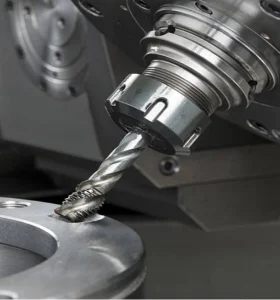
Accuracy, reliability, and flexibility—these key traits shape today’s aerospace production. Many tools help this field, but vertical CNC drilling and milling machines stand out as vital ones. They handle tricky shapes well. They achieve tiny tolerances at the micron level. Plus, they work with various materials. This makes them key for building plane parts. Think of forming tough titanium engine covers or cutting aluminum wing beams. These machines don’t just aid aerospace. They boost it to new heights.
If your company works in this area, and you need strong, dependable gear for processing high-grade aluminum in aerospace, check out Foshan Malide Intelligent Equipment Co., Ltd.. This top-tech firm focuses on smart aluminum alloy tools. They handle design, building, and worldwide service all in one. Their factory covers over 6,000 m². They serve more than 5,000 customers around the globe. By mixing fresh ideas with hands-on know-how, they provide CNC options that fit needs in fields like aerospace, rail travel, and power.
Core Capabilities of Vertical CNC Drilling and Milling Machines
Before we look at aerospace uses, let’s explain what makes these machines so powerful. From build structure to material use, each part helps create flight-safe components.
Structural Design and Axis Configuration
The main feature of vertical CNC machines is a spindle set upright along the Z-axis. The workpiece rests on a flat table that shifts on the X and Y axes. This setup does more than keep things simple. It offers real perks.
The upright design aids chip removal thanks to gravity. This cuts down on mess during long runs. Operators get better views for handling test pieces or small details. For aerospace, the big win is that many vertical types allow multi-axis work—often three to five axes. These are crucial for curved areas like smooth outer skins or turbine blade covers.
If your pieces need face cutting or work at odd angles at once, a vertical unit with built-in turning tables might fit perfectly.
Precision Engineering for Aerospace Standards
In aerospace, tiny tolerances aren’t optional. They’re a must. Vertical CNC machines use ball screws, straight guides, and sensor systems to ensure steady results over many parts. You can tweak spindle speeds exactly. This lets you go from rough cuts to gentle finishes.
The company earns praise from markets and buyers for its top-notch work. This comes from solid tech skills and over ten years in making and developing aluminum alloy gear. Such accuracy explains why vertical mills often shape strong alloys into vital parts like actuator bases or turbine blades.
Material Compatibility in Aerospace Contexts
Dealing with plane metals poses special issues. Aluminum is light, yet it needs exact work because it’s soft. Titanium lasts long, but it heats up fast when cut. Composites might split if tools push too hard.
Vertical CNC machines handle this well. Built-in cooling setups control heat twist during long jobs. Smart cut paths stop material bending—a usual worry for long items like body ribs. So, whether you’re cutting aluminum bars or boring cooling holes in titanium molds, these vertical bases give the grip you need for solid results.
Applications in Aerospace Component Manufacturing
Vertical drilling and milling machines appear in almost every spot on an aircraft build line. They switch fast between jobs and materials. This makes them super useful for testing and big production runs.
Machining of Structural Airframe Parts
Body panels, wing beams, rib pieces—each calls for exact sizes and even surfaces. Vertical CNC machines manage these long, odd-shaped items thanks to wide table moves. Types with a 3000 mm X-axis reach give plenty of space for big frame parts. No need to shift them often.
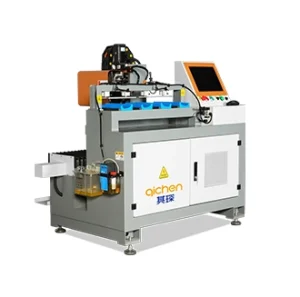
The QCL-CNC3000SFT2 Aluminum Profile CNC Drilling And Milling Machining Center shows this. It does round hole cutting, edge beveling, surface etching, and threading—all in one go.
Production of Engine Components and Housings
Jet engines hold complex setups with strict inner fits. Vertical mills bore oil paths in turbine covers or smooth compressor shells. Fast spindles create even finishes that ease air flow inside. These parts face huge pressure and heat. So, no room for cut mistakes.
Fabrication of Avionics Mounts and Interior Fittings
Avionics gear requires light but firm mounts—often from aluminum mixes. Inside panels may need comfy hollow shapes for rider ease or tool fitting. Vertical CNC machines excel here with quick run times and tight hold on shallow cuts or shape etching.
Benefits Specific to Aerospace Manufacturing Environments
These machines offer more than accuracy. They smooth out workflows too. From shop setup to rule checks, their gains spread to all teams.
Enhancing Process Efficiency Across Production Lines
Space on the floor costs a lot in busy plants. Vertical machines use less side room than flat ones, yet they pack strong features. Auto tool swaps cut wait times more. They ready new tools as the spindle wraps up its task.
Foshan Malide Intelligent Equipment Co., Ltd. builds its name on this smart speed. They blend quick tool changes with firm build to keep accuracy even when going fast.
Improving Quality Control and Traceability
For rule checks or part pulls, tracking matters a ton. CNC records from vertical systems track cut routes, material use, spindle rates, and such. These feed into online watch panels. This helps quality folks spot issues early, before they turn into flaws.
Supporting Customization and Small-Batch Flexibility
Aerospace often runs on projects: maybe 10 pieces now, 100 next. Vertical CNC machines fit this well. They switch setups quick and use easy code systems. So, for a test wing holder or a short run of sensor boxes, these setups skip long tool waits.
Technological Advancements Driving Performance Gains
Today’s vertical CNC tools go beyond basic mechanics. They’re loaded with clever tech that boosts output and cuts hands-on watch.
Multi-Axis Integration for Complex Geometries
Multi-axis features are now common. Many machines add fourth-axis turn tables or tilt heads. These let you cut bent surfaces without moving the part. It lowers people errors and boosts shape match.
In some top setups, you can cut several sides at once. This saves hours on setup.
Digital Twin and Simulation Tools Integration
Before any real cut, sim tools test paths on virtual copies of the part and machine setup. This cuts guesswork in prep and stops costly tool hits or extra cuts.
Also, smart upkeep alerts check use data and warn techs before parts break. This keeps run time high.
Automation Readiness in Modern Aerospace Plants
Running without lights isn’t a far-off idea. Vertical CNC machines now include spots for robot arms to load and unload. They hook into MES platforms too.
Their work matches imported gear, but at better value. The outcome? A smooth flow from design model to done plane part—even through the night.
Choosing the Right Machine: Key Considerations for Aerospace Use Cases
Not every vertical drilling and milling machine fits all. Picking the best one means linking features to your job.
Evaluating Machine Size vs Part Dimensions
For plane frame work, seek big tables that hold full-length bars or broad frames without losing strength. Units with 3000 mm+ X-axis travel suit this best.
For tinier bits—like avionics holders—compact types with quicker starts and less power draw may help more.
Control Systems That Support Aerospace Complexity
Find easy screens that run tough G-code on many axes without lag. Some now mix chat-style coding with old code ways—useful for test stages.
Path preview tools matter too, especially with pricey plane stock where waste hurts.
TCO (Total Cost of Ownership) vs Performance Balance
Power savings, service gaps, upgrade ease—all affect long-term gains. It’s not just the starting cost. Think of cost per piece over the machine’s life.
Also, look at choices like the Horizontal Profile Machining Center if your flow needs end-face boring or multi-way tasks. It’s a fine match to vertical ones in mixed setups.
Real-World Relevance: MALIDE’s Contribution to the Industry
Foshan Malide Intelligent Equipment Co., Ltd. isn’t merely a gear seller. They’re key players in fields like aerospace, where exactness is basic. Their profile centers mix pace with strength via servo-run flip tables and fast spindles up to 24,000 rpm.
The company has solid tech power and over ten years in building and studying aluminum alloy tools. With setups in Europe, Southeast Asia, the Middle East, and more, they’ve shown trust on world floors where every tiny bit counts.
Practical Tips for Maximizing Machine Output
To get the best from your buy, it goes on past the sale. Keep it up with training and care.
Maintenance Routines That Prevent Downtime
Check lube daily and clear chips to stop spindle heat or bearing rub in long runs. Regular setup tweaks ensure even cut depths—key for plane fits.
Operator Training Focused on Aerospace Standards
Workers who know basic cuts might still trip on plane rules without special lessons. Cover things like fit buildup, heat stretch effects, or check steps linked to flight okay.
Future Outlook: Where Vertical CNC Machines Are Headed Next
As new planes aim for lighter builds with stricter fits, look for AI-guided cut paths that adjust live to cut push or material quirks.
Links between virtual copies, auto systems, and quick hardware will grow deeper. This makes future vertical CNC machines as smart as they are about move control.
And sure—seeing one slice titanium hasn’t lost its appeal. That mix of brute force and pinpoint work? It’s not just tech. It’s skilled craft grown big for the air.
FAQ
Q1: Are vertical CNC machines suitable for titanium parts?
A: Yes, especially when equipped with high-torque spindles and cooling systems that manage heat buildup during cutting operations.
Q2: What’s the difference between 3-axis and 5-axis vertical machines?
A: A 3-axis machine moves along X, Y, Z directions only; a 5-axis machine adds rotational movements for more complex geometries without needing part repositioning.
Q3: How does MALIDE support customization?
A: MALIDE offers modular configurations tailored for applications like long extrusion drilling or cavity milling, making them suitable for diverse aerospace needs.
Q4: Can vertical CNC machines be automated?
A: Absolutely—they can integrate with robotic arms or pallet changers for continuous operation with minimal human intervention.
Q5: What materials can be processed using these machines?
A: Common aerospace materials such as aluminum alloys, titanium, stainless steel, and composites can all be machined depending on the tooling setup used.


