



Choosing the Right Aluminum Machining Center: Machine Types and Real Factory Use Cases
Choosing an aluminum machining center is tricky. On paper, many machines look similar. In your plant, the difference can be huge: one setup cuts clean and quiet, another needs constant rework and operator “tricks” to keep parts in tolerance. It is not just about spindle power or price. It is more about how the machine type matches your profiles, batch sizes, and daily workflows.
This guide gives you a practical way to think about machine types and real factory use cases. You see where a simple vertical machine still makes sense and where a dedicated aluminum profile machining center pays back its space and budget. The aim is not to chase a fancy spec sheet, but to pick a machine that fits what you actually do every week.
What an Aluminum Machining Center Is and Why It Matters
When you move from manual drilling to CNC, you are not just buying a new machine. You are buying a different way to control quality and time. An aluminum machining center is built to mill, drill, slot, tap, and sometimes cut profiles with one clamping and one program. That sounds basic, but it changes how your line behaves.
Typical Working Needs for Aluminum Profiles
Aluminum profiles for doors, windows, curtain walls, solar frames, or industrial structures share some patterns. You often need features on several faces, tight face-to-face distances, and clean slots for hardware. Profiles can be three or four meters long, with thin walls that do not like heavy clamping. You want a machine that handles multi-face machining, long travel, chip control, and repeat batches without drama.
Common Problems When Using a Generic CNC for Profiles
If you put long profiles on a small, general-purpose CNC, you usually see the same story. Parts hang off the table, so they vibrate. Holes on opposite faces do not line up. Operators spend more time flipping and re-clamping than cutting. Chips fill cavities and scratch surfaces. This is not because your team is careless. The machine type simply does not match the job.
Machine Types You Can Choose From
You do not need one perfect machine for every job. You need the right mix. The main types used for aluminum are vertical machining centers, horizontal machining centers, dedicated profile machining centers, and horizontal end machining centers. Each has its place.
Type 1: Vertical Machining Centers (VMC) for Aluminum
A vertical machining center is usually the first CNC in many plants. It works well for small blocks, plates, and short profile sections. The spindle comes from above, the table is flat, and tooling is straightforward. For low volume jobs, jigs for one or two profile families, and mostly single-face work, a VMC still offers good value. The problem starts when everything becomes long and multi-face.
Type 2: Horizontal Machining Centers (HMC) for Aluminum Profiles
Horizontal machining centers place the spindle on the side. Chips fall away more easily. You can mount fixtures that expose different faces without lifting the part again and again. For longer profiles that need drills and slots on several sides, an HMC starts to feel much more natural. It supports parts better and cuts down on walking around the machine just to flip stock.
Type 3: Dedicated Aluminum Profile Machining Centers
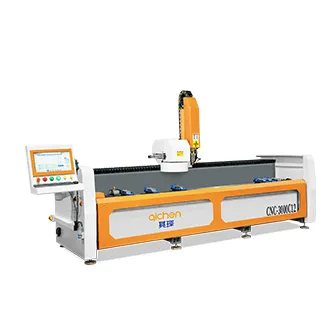
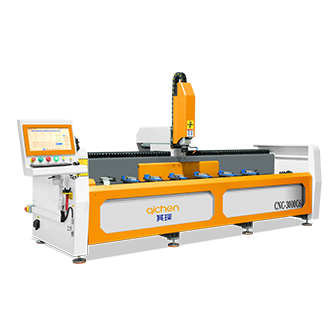
Profile machining centers are built around lineal profiles, not blocks. A machine such as the aluminum profile machining center with long travel, a 12-position tool magazine, and servo-driven flipping can mill and drill three faces of a door or curtain wall profile in one clamping. You gain stable cycle times, fewer setups, and cleaner alignment between features. This type of machine suits plants that run repeat series of similar profiles every month.
Type 4: Horizontal Profile-End Machining Centers
Sometimes the toughest features sit on the profile ends. End holes, lock pockets, and complex step faces can slow down the main line. A horizontal profile machining center focused on end machining takes those tasks off your main machining center. It handles end faces and short sections fast, then passes parts to assembly or to the next operation. This is useful when you have mixed lengths or need to keep a high-end profile machining center focused on its core work.
How to Match Machine Type With Real Factory Use Cases?
The right machine is not a random choice. It depends on product mix, profile length, and the number of faces you must process. A small workshop and a busy curtain wall plant have different needs, even if both use “aluminum profiles”.
Case 1: Door and Window Profiles With Multi-Face Machining
Door and window frames often need holes and slots on three sides, plus some end work. You want one clamping to control all those relations. A long-travel profile machining center with multi-face capability matches this case. You load once, share one datum, and let the machine do the hard part.
Case 2: Curtain Wall Mullions and Transoms
Curtain wall profiles can be heavy and long, with a lot of repeated hole patterns. Here you care about consistent spacing and straightness over the full length. Machines with rigid frames, strong supports, and wide clamps make more sense than small VMCs. A profile machining center that can handle a standard length, then mirror programs for different floors, saves programming time and reduces operator mistakes.
Case 3: Industrial Linear Profiles and Structural Extrusions
For solar frames, industrial racks, or assembly beams, volume can be high but shapes may repeat. You need a machining center that runs day after day without frequent fixture changes. Long travel, a solid tool magazine, and simple reference points help your team keep parts moving without endless set-up changes.
Case 4: End Machining Zones
If your main issue is complex end features, it can be better to separate that work. A horizontal end machining center handles the biggest headaches at the front or back of the line. Then your main machining center deals with side features and slots. Splitting tasks like this often makes the whole flow smoother.
Technical Factors That Decide the Right Machine
Once you know your use cases, you still have to look at a few key technical points. These details turn a machine from “interesting” into “practical” for your profiles.
Travel Length and Multi-Face Capability
Travel in the X-axis needs to match your common profile lengths. If you machine three-meter parts, a one-meter table will keep you busy with clamps instead of cutting. Multi-face capability, such as servo-driven flipping or rotary units, keeps related features in one coordinate system.
Tool Magazine Size and Cutting Speed
More tools in the magazine give you freedom to add pilot drills, special cutters, and deburring tools without constant manual changes. High spindle speed with stable bearings lets you cut aluminum cleanly. The target is a sound that feels smooth, not harsh, even when the tool is deep in the profile.
Fixturing and Support for Thin-Wall Extrusions
Thin walls are easy to bend. The machining center should accept fixtures that support the profile along its length and grip it without crushing. That can be shaped pads, soft jaws, or modular supports that move to match each new profile family.
Chip Evacuation and Cooling for Aluminum
Aluminum chips like to pack into slots and cavities. A good aluminum machining center moves chips away with air and coolant, keeps covers from trapping swarf, and gives operators easy access for quick cleaning. This is not a luxury. It affects tool life, surface finish, and how often you have to stop the line.
Conclusion: Which Machine Fits Your Plant Best?
There is no single “best” aluminum machining center for every plant. For short parts and mixed one-off jobs, a simple VMC still does useful work. Once your business depends on long profiles, repeat series, and clean multi-face features, a dedicated machining center for aluminum profiles starts to make more sense. You can look at a range of aluminum profile CNC machining centers and then map each type against your own drawings and batch sizes. A calm, honest look at how you really run parts usually points you toward the right machine mix.
MALIDE – Your Partner for Aluminum Profile Machining
Foshan Malide Intelligent Equipment Co., Ltd. focuses on intelligent aluminum profile processing lines rather than single, isolated machines. The company develops aluminum profile machining centers, profile drilling and milling platforms, horizontal end machining centers, and cutting systems that can work together in one flow. Its equipment is widely used in doors and windows, curtain wall systems, industrial aluminum, rail transit, aluminum formwork, and all-aluminum home structures, where long, thin-walled extrusions must stay stable under real production pressure. MALIDE’s profile machining solutions combine long-travel axes, high-speed spindles, multi-face machining, and practical fixturing options, so you can handle drilling, milling, lock slots, drainage holes, and end work in fewer setups. For plants that want to move from “surviving with mixed machines” to a more well-organized profile line, this kind of focused equipment can make daily work noticeably easier.
FAQ
Q1: Do you always need a special aluminum machining center for profiles?
A: Not always. If you only machine short pieces in small batches, a standard VMC can still do the job. Once long profiles, multi-face features, and repeat orders become normal, a dedicated machining center starts to save you time and scrap.
Q2: How long should the travel be for door and window profiles?
A: Many door and window plants use profiles around three meters. A machining center with travel close to that length, or that can process most features in one clamp, usually gives a better balance between cost and daily efficiency.
Q3: Is a horizontal machine always better than a vertical one for aluminum?
A: Horizontal machines handle chips and long parts better, but they cost more and need more planning. If your work is mostly small, flat parts, a vertical machine still works well. It depends on the mix, not a simple rule.
Q4: What is one simple sign that your current CNC is not the right type?
A: If operators spend more time flipping, shimming, and re-clamping than actually cutting, the machine probably does not match your profiles. Frequent small alignment fixes are another warning sign.
Q5: Should you buy one big machining center or combine it with an end machining machine?
A: If budget and space are tight, one good machining center can handle most tasks. If volume is high and end features are complex, pairing a profile machining center with a separate end machining center often gives a smoother line and happier operators.


